


Understanding Fractured Neck of Femur (NOF): Risks, Challenges & Why Early Optimisation Matters
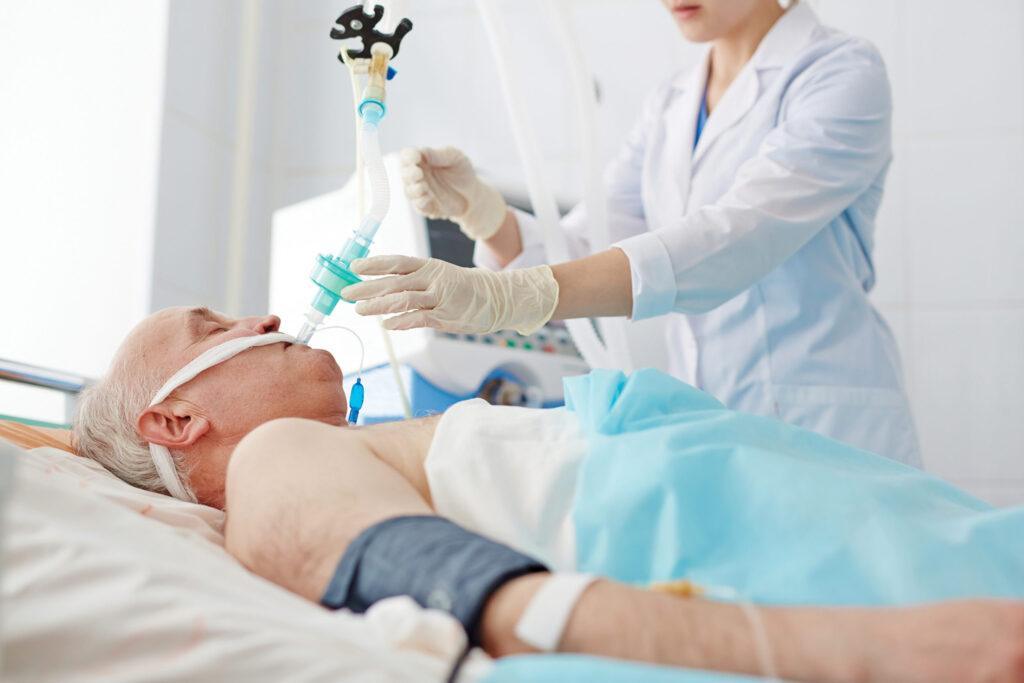
A fractured neck of femur (NOF)—commonly known as a hip fracture—is one of the most serious injuries affecting older adults and a leading reason for emergency surgery. According to the National hip fracture database, there has been an increase in the number of people having hip fractures – rising to 71,885 in 2024.1 This equates to one in 30 of all hospital beds being used by someone recovering from this injury at a cost of ~£2 billion each year to the NHS.1
Learn more about how a fractured neck of femur can impact outcomes, notably in vulnerable or complex patients.
What Is a Fractured Neck of Femur?
This fracture occurs just below the ball of the hip joint, disrupting blood supply and increasing the risk of avascular necrosis if the fracture is displaced. This most commonly affects patients that are elderly, frail, and living with multiple comorbidities such as poor nutrition, chronic illness and reduced mobility.
What’s more a fractured neck of femur can cause significant blood loss and given pre-existing conditions, the addition of anti-coagulants can exacerbate this further. Altogether, these factors increase vulnerability during the critical pre‑operative window.
Complications & Mortality Risk
Sadly, hip fractures carry a 10% mortality rate within one month and up to 30% within a year, driven by the severity of trauma combined with immobility, infection risk and comorbidities.2 Long‑lie falls, where patients remain on the floor for over an hour, significantly worsen outcomes.
The Importance of Pre‑Operative Optimisation
It is essential we optimise these patients before going to surgery. Research highlights the need for theatre access within 36 hours,3 making pre‑operative care essential to stabilise pain, prevent pressure ulcers, maintain hydration and reduce trauma from immobility.
Discover | Fractured Neck of Femur Pathway
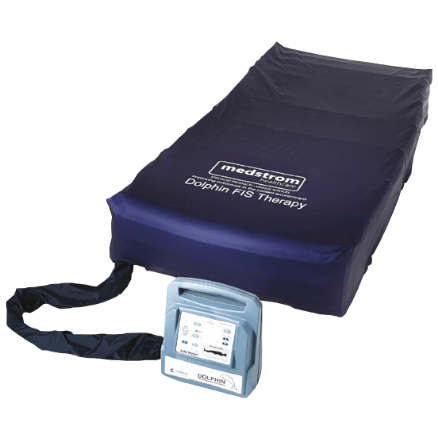
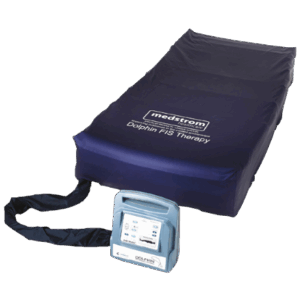
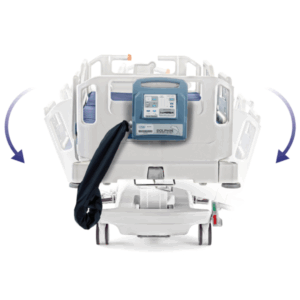
Understanding the scale of the problem is only the first step. See how George Eliot Hospital has transformed fractured neck of femur (NOF) care through a successful optimisation pathway that incorporates innovative solutions, such as Dolphin Therapy and lateral tilting beds.
👉 Read Part 2: The NOF Pathway Driving Better Patient Outcomes