

Can Patient Washing Prevent Deconditioning?
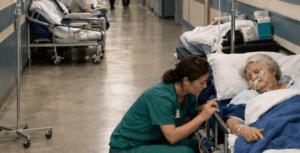
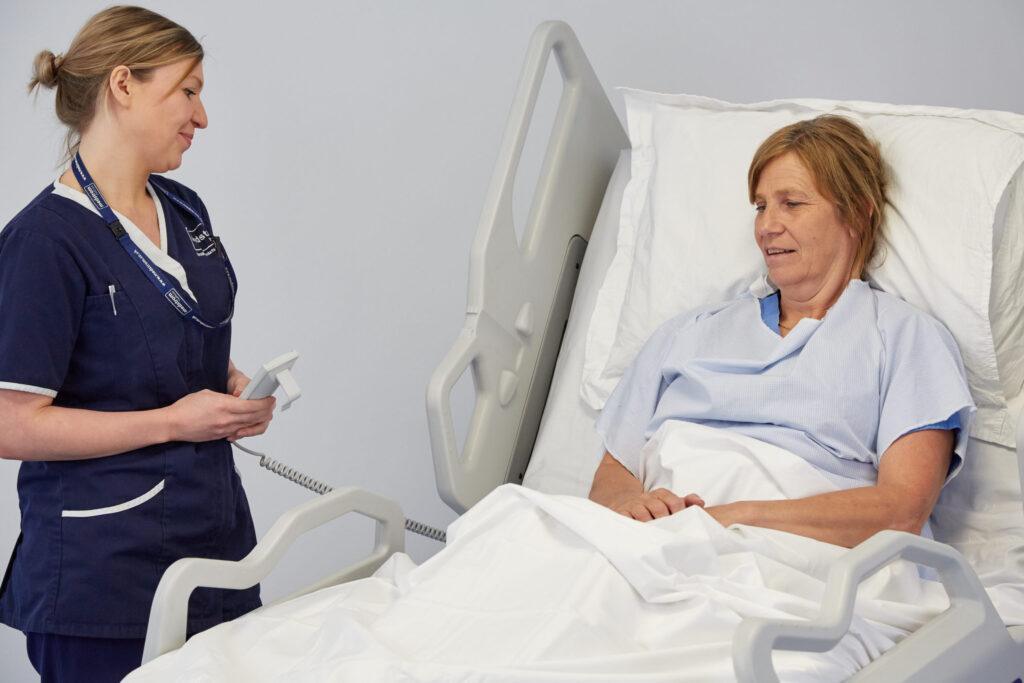
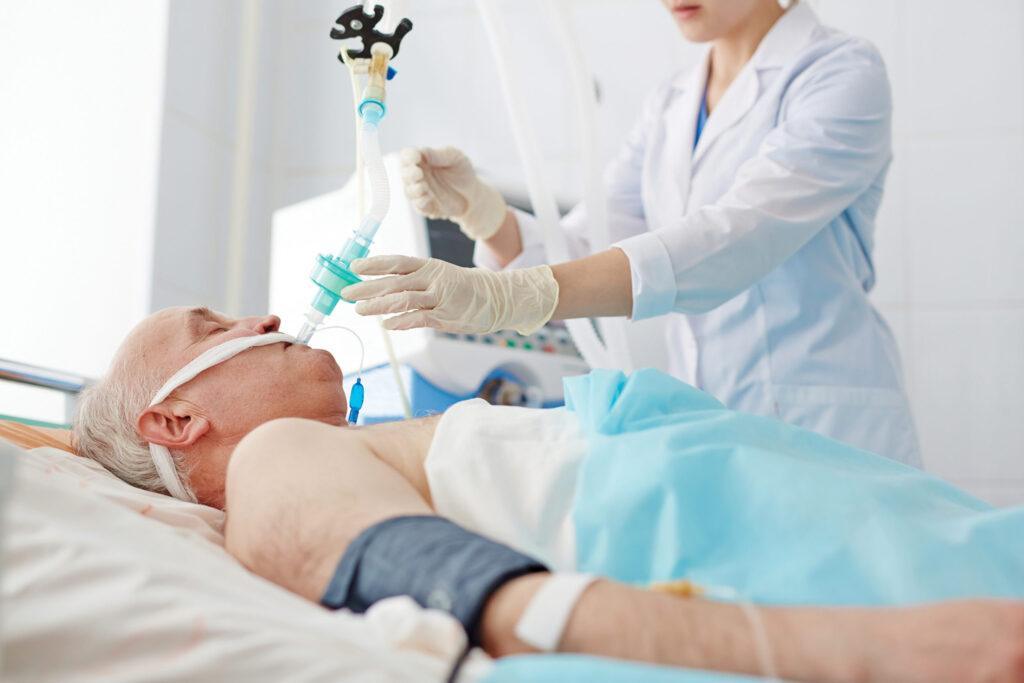
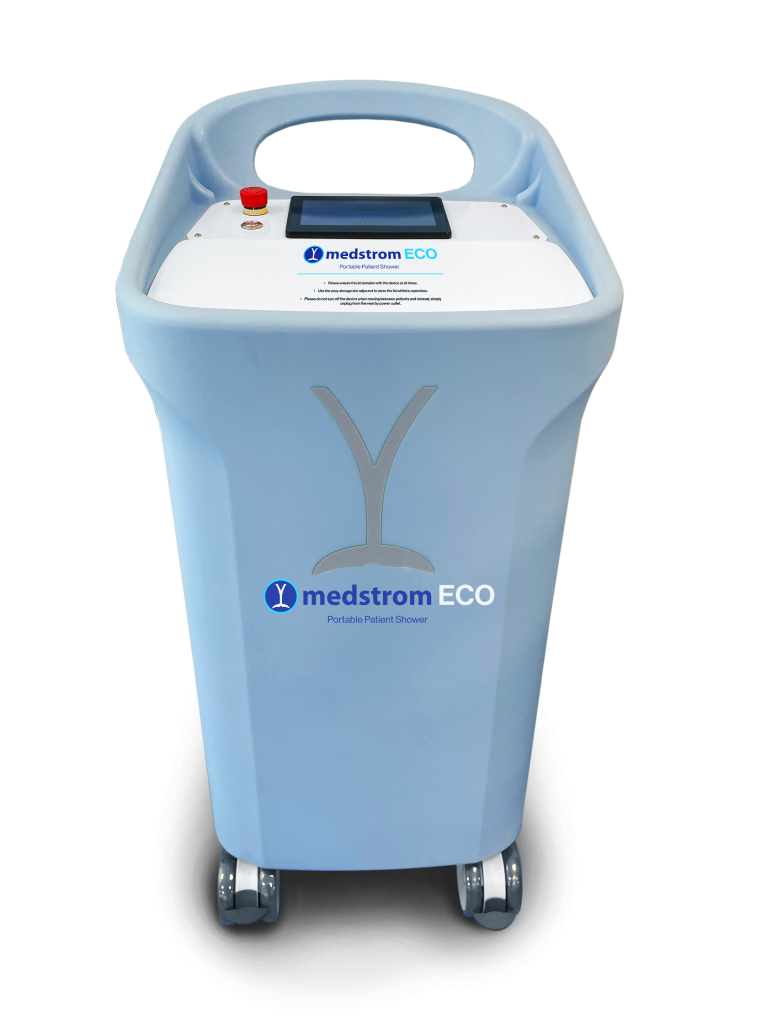
Deconditioning is noted as a decline in physical and mental function resulting from inactivity, or bed rest and this can happen very quickly within a hospital setting. In fact, evidence shows that during hospitalisation, between 30% and 55% of older patients show a decline in the ability to perform routine activities such as patient washing, getting dressed and toileting.1 Hear from clinicians who are championing efforts to prevent deconditioning in their hospital and how the innovative ECO, portable patient shower, has been making patient washing easier and encouraging patient independence with their own hygiene.
Encouraging Patient Washing Independence
Did you know, a fifth of patients >75 years old are recognised as being frail, accounting for nearly half of all hospitalisation days?2 Plus, the age of patients is linked to their likelihood of needing help with at least one activity of daily living (ADL), such as washing or showering. 52% of those aged 80+ needed assistance with ADLs.3 Therefore, it is exceedingly important to try to encourage patients to get washed and moving in hospital as soon as possible.
By offering patients the chance to participate in this routine, it can help to maintain patient dignity, as well as contribute towards maintaining their independence. Care considered to be dignified can also help improve patient recovery.4 This has been recognised by campaigns such as ‘Sit Up, Get Dressed and Keep Moving!’ and ‘End PJ Paralysis’, which actively encourage independent patient washing.1 However, traditional bed bathing processes can prove limiting to both caregivers and patients alike. Having not changed in centuries, the process of traditional bed baths is often viewed as undignified, having a negative impact on both physical and emotional comfort, not to mention physically demanding for the nurse and patient.5
ECO vs Traditional Patient Washing
With the support of clinicians at Hywel Dda Health Board, Medstrom ECO has delivered some exceptional outcomes with regards to improving patient washing experience and overall ease for caregivers to wash patients. The portable patient shower ensures a consistent temperature is maintained during each patient wash and thanks to its easy to use water stylus, can be directed to the specific areas needing cleaning. With the support of the Ward Sister, Lucy, and Deconditioning Champion, Sarah, it has been used with patients struggling with their mobility who are unable to get to the bathroom easily, plus with independent patients who appreciate the normalcy offered by ECO compared to a traditional bed bath.
Lucy, Ward Sister, commented:
“No one wants to do anything until they have had a good wash. You find that once they’re washed, patients are more proactive and they want to do things in the day. Patients love ECO because it is just more normal and especially for those patients needing more assistance, they are more likely to try it themselves because they’re not scared by it and they don’t tired get using it either.
“They can just sit there and put it on their back and they love it. It’s just little movements like that, which will help prevent deconditioning in hospital.”
Preventing Deconditioning in Hospital Using ECO
These experiences have been echoed by Sarah, the Deconditioning Champion on the ward, who added:
“We promote patient independence, stop them from deconditioning and we get them up on their feet and doing things. The ECO has been amazing for us as we can just leave it with the patient, show them how to use it and they can wash themselves. We’re promoting independence, we’re preventing deconditioning, we’re making the patients feel better.
“If we’re releasing those endorphins, the patients are going to feel like they are ready to go home. So, we’re hopefully decreasing length of hospital stays – within time that would come and be notable, with ECO having a part to play in that.”
Hear more about Sarah’s experience in the case study above, which shares how the ECO Focuses on patient-centred care – enhancing patient independence and improving dignity.
For more information about ECO and how you can try it for yourself, contact us today.
References:
- British Geriatrics Society. (2020). ‘Sit Up, Get Dressed and Keep Moving!’ | British Geriatrics Society. [online] Available at: https://www.bgs.org.uk/%E2%80%98sit-up-get-dressed-and-keep-moving%E2%80%99.
- What proportion of older adults in hospital are frail? The Lancet. Searle S & Rockwood K. 2018.
- NDRS (n.d.). Social care for older adults. [online] Available at: https://digital.nhs.uk/data-and-information/publications/statistical/health-survey-for-england/2021-part-2/social-care.
- Ekpenyong, M.S., Nyashanu, M., Ossey-Nweze, C. and Serrant, L. (2021). Exploring the Perceptions of Dignity among Patients and Nurses in Hospital and Community settings: an Integrative Review. Journal of Research in Nursing, [online] 26(6), pp.517–537. doi:https://doi.org/10.1177/1744987121997890.
- Groven FMV et al (2019) The effects of washing without water versus the traditional bed bath with water and soap on comfort and physical demands: protocol of a crossover randomized trial. Research Square (accessed 17 October 2025).