

Factors Affecting Wound Healing
There are many factors affecting wound healing and skin integrity. Whilst a clinician’s primary aim is always prevention, despite best efforts, skin breakdown can still occur.
This post looks at some of the contributing factors and outlines key considerations for identifying and supporting individuals who are at risk of, or already experiencing, skin breakdown. We also have a new, free educational booklet which builds on this post, available now:
How to Get Your Copy
Head over to the STEP networking community – A FREE clinical forum Supporting TVNs and Healthcare Professionals with Enhancing Patient Outcomes. Join if you haven’t already, and get your free copy there:
Initial Checklist
When you first spot skin damage, an initial checklist is useful to help determine the next course of action. This includes:
- When was damage first noted?
- Could the damage have been sustained previously but only be visible now?
- Is the surface sufficient for patient’s needs?

- What is the patient’s repositioning schedule? Is it sufficient?
- Are there other factors at play that could affect wound healing?
There are multiple other factors that could also affect wound healing, both individually and in combination. Below, we look at some of these in more detail.
Medications
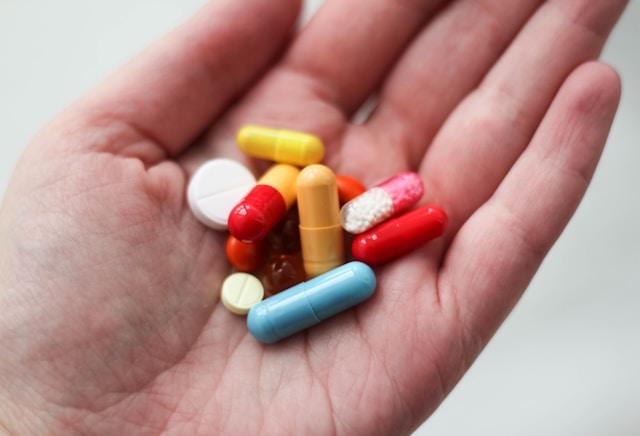
Wound healing has four key overlapping phases, with each one acting to initiate the rest. All are vital for successful wound repair, but certain drugs can affect each phase and slow down the healing process:1
Coagulation
Description: Blood clotting to close the wound.
Some interfering drugs: Anticoagulants, antiplatelets.
How they interfere: Slow down clotting.
Examples: Warfarin, aspirin.
Inflammation
Description: Localised swelling to control bleeding and prevent infection.
Some interfering drugs: Antibiotics, corticosteroids.
How they interfere: Dampen inflammatory response.
Examples: Tetracycline, prednisolone.
Proliferation
Description: Rebuilding of the wound with collagen.
Some interfering drugs: Anticancer, corticosteroids.
How they interfere: Slow collagen and new blood vessel formation.
Examples: Methotrexate, prednisolone.
Remodelling
Description: Remodelling collagen to increase its tensile strength.
Some interfering drugs: Corticosteroids.
How they interfere: Impair collagen formation, delay wound contraction.
Examples: Prednisolone, dexamethasone.
Many patients with skin damage have highly complex needs and are often prescribed multiple medications for clinical management. Moreover, some may be taking medications that impede every phase of wound healing.
Nutrition
 Nutritional status directly affects the body’s ability to heal wounds. When the body has enough energy and nutrients, it can heal wounds effectively. When it lacks these resources, its healing process slows or becomes impaired.
Nutritional screening should always be part of the treatment of a patient with a wound. Moreover, nutritional support should provide energy and nutrients for the basic requirement of a person plus the extra that are necessary for successful wound healing.
Physical Activity
Exercising – especially the calf muscles – may facilitate vasodilation and increase tissue blood flow. In turn, this will help to deliver oxygen and nutrients to a wound site, helping it to heal.
However, many very unwell and/or bedbound people may have very limited, if any, ability to exercise, negatively affecting wound healing. This can be compounded by pressure on a wound – for example by direct contact with an over-inflated mattress.
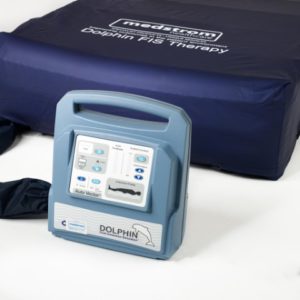
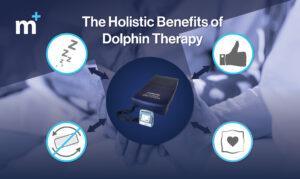
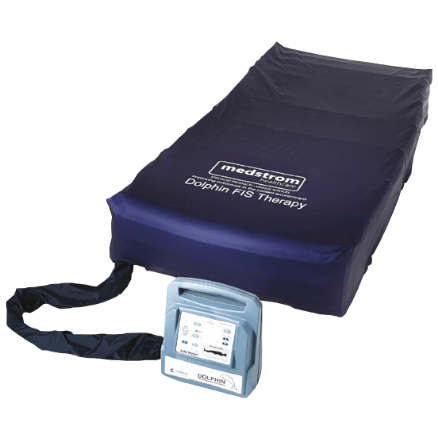
The Dolphin Therapy fluid immersion simulation surface mimics the effect of floating on water, providing near neutral buoyancy. This maintains tissue symmetry and allows near normal blood flow, even when the patient is nursed directly on a wound.
So if the patient’s ability to move physically is very limited, Dolphin Therapy can assist with wound healing.
Stress and Sleep
It is well known that stress negatively affects wound healing. It reduces the amount of essential inflammatory cells sent to the wound, which impairs antibacterial function and slows healing.2
 Sleep is a restorative state where renewal and repair are enhanced. Therefore, a lack of sleep detrimentally affects wound healing.
Hospitals can be stressful for patients, and when you add lack of sleep or disrupted sleep patterns, it can slow recovery, make healing harder, and lead to worse outcomes.
Other Factors
Other factors affecting wound healing include lifestyle choices prior to hospital admission, including smoking, alcohol and drug use. These cause long-term detrimental effects on health which may impair wound healing.
Summary
Caring for the skin – the body’s largest organ – is a complex challenge shaped by multiple, overlapping factors. These factors are unique to every patient, and subject to change as the patient’s condition either improves or worsens. A holistic, person-centred approach is vital for each patient, to support them on their journey both physically and psychologically.
Get Your Copy Today!
Head over to the STEP networking community to request your free copy.
References
-
Gethin G et al. The impact of patient health and lifestyle factors on wound healing, Part 1: Stress, sleep, smoking, alcohol, common medications and illicit drug use. J Wound Manag Off J Eur Wound Manag Assoc. 2022. S1-S41.
-
Christian LM et al. Stress and wound healing. Neuroimmunomodulation. 2006;13(5-6):337-346.